
Why Replays Can’t Replace the Feeling of Watching World Cup Matches Live
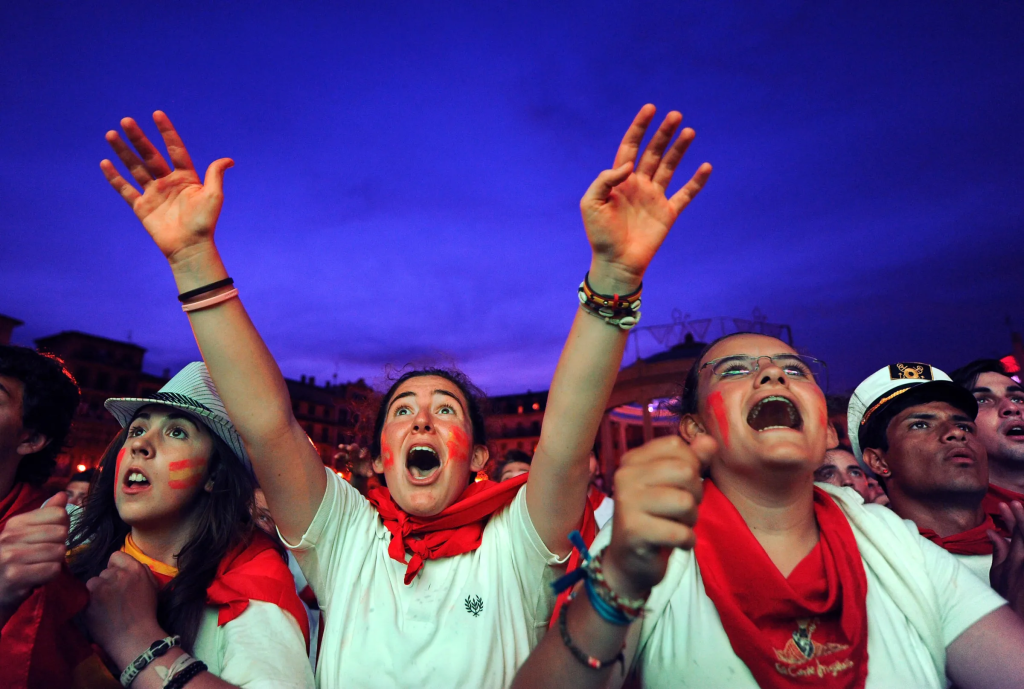
In a World Cup, the difference between watching live and watching later is not just timing; it is the entire way you process the match. When you know a result—or even just suspect how a game ends—the tension that normally connects each pass, press, and run into a coherent story changes, and so does the depth of insight you gain from the ninety minutes.
How Uncertainty Shapes Live Match Understanding
Live viewing is built on uncertainty; every action could lead to a decisive moment, and that possibility sharpens your focus. When the result is unknown, you pay closer attention to early patterns in pressing, build-up, and chance creation, because you instinctively feel that any of them might explain what happens later.
That uncertainty creates a natural cause–effect chain in your mind. If a team spends twenty minutes pinning the opponent back, you watch to see whether that pressure finally yields a goal or collapses into a counter the other way. This conditional mindset—“if they keep doing this, something will break”—is much harder to sustain when you already know which side eventually wins.
Why Replays Push Viewers Toward Outcome-First Thinking
Replays often start with the scoreline or are chosen precisely because the match is memorable, which anchors your expectations before the first whistle. Even if you try to ignore it, knowing that a match finished 3–2 or went to extra time changes what you look for in the opening phases.
Instead of asking whether a particular spell of pressure might lead to a breakthrough, you treat each moment as a clue to a known ending. This outcome-first framing encourages you to hunt for mistakes or turning points that “explain” the result, rather than neutrally tracking patterns to see where they might lead. Over time, that habit can distort how you think about teams, making you overvalue dramatic swings and undervalue steady, consistent control.
Watching Live to Connect Emotion and Tactics
During ดูบอลสด, emotion and analysis are locked together in real time. The tension before a penalty, the rising noise as a team builds wave after wave of attack, or the nervous silence during a VAR check all feed into how you remember and interpret what happens on the pitch. That emotional curve is not separate from tactical understanding; it often highlights which phases truly matter.
When you feel those swings as they happen, you are more likely to ask why a match’s mood is shifting. Is the crowd reacting to a change in pressing height, a substitution altering midfield balance, or a team suddenly targeting a different channel? In a replay, where the emotional peaks are anticipated or muted, those same questions can feel less urgent, making it easier to drift through key tactical transitions without fully noticing them.
A Step-by-Step Difference Between Live and Replay Viewing
The gap between live and replay viewing shows up clearly when you break down how fans typically process a World Cup match. Even if the visual broadcast is identical, the mental sequence is not.
For a live match, the internal process often looks like this:
- Observe early formations and tempo, trying to guess which team will impose its style.
- Track where chances come from and how xG or shot quality seems to be trending.
- Adjust expectations as pressing intensity rises or falls across each half.
- Feel tension spike around turning points—goals, red cards, major saves—and reassess both teams’ game plans.
- After the final whistle, tie early patterns to the outcome to judge which ideas truly worked.
In a replay, that sequence tends to invert. Knowing the final result, you start from the outcome and work backward, treating each phase as confirmation or contradiction of what you already know. The match becomes a puzzle with the picture printed on the box, not a story unfolding in front of you, which reduces the space for genuine surprise and learning.
How Live Viewing and Replays Differ in Tactical Clarity
Both formats can teach you something, but they emphasize different aspects of the same match.
| Aspect | Live World Cup Viewing | Watching Replays |
| Emotional tension | High, result unknown | Lower, result known or suspected |
| Focus on momentum | Strong, felt in real time | Reconstructed from memory and highlights |
| Tactical pattern detection | Driven by curiosity about what will happen | Framed by knowledge of what did happen |
| Bias risk | Prone to overreacting to late drama | Prone to outcome and hindsight bias |
| Best use case | Judging live form, intensity, and resilience | Deep rewatch of key phases after the fact |
For live interpretation—who looks ready, who copes with pressure, whose structure holds under stress—the live version is irreplaceable. Replays are invaluable for zooming in on specific sequences you already identified as important, but they work best as a second layer, not a substitute.
Why Live Context Matters for xG, Finishing, and “Luck”
Statistics like xG can look similar on paper whether you watched a match live or caught it later, but the way you interpret them depends heavily on context. Live, you feel the timing of those chances: a cluster of high-quality shots early that force a tactical rethink, or a last-minute surge reflecting a desperate push.
Watching after the fact, especially with full-time numbers already visible, it is easy to flatten that timing into a single summary. You might see a team with higher xG and assume dominance, without sensing that most of those chances came in a frantic final ten minutes after being outplayed for the first eighty. Live viewing preserves the temporal shape of chance creation, which is key to judging whether performance was truly controlled or simply reactive.
When Replays Are Still Valuable for Serious Fans
None of this means replays are useless; they simply answer different questions. Once you have felt a match live, rewatching selected segments lets you test your initial impressions: Was the press really as coordinated as it felt? Did the midfield balance actually change after that substitution, or was it confirmation bias?
By pausing, rewinding, and focusing on specific lines or zones, replays provide the slow, forensic view that live broadcasts cannot. The most informed World Cup followers often combine both layers—first the raw, uncertain experience of live viewing, then targeted replays to refine tactical conclusions. What replays cannot do is recreate the original emotional and analytical uncertainty that shapes that first viewing.
Summary
Replays will always be useful for studying details, but they cannot fully replicate what live World Cup ดูบอลสด goaldaddy does to your perception of a match. The uncertainty of not knowing the result ties every press, run, and chance into a living story, sharpening both emotion and tactical awareness in ways that outcome-first rewatching cannot. For fans who care about understanding performances as they emerge—not just as history—live viewing remains the foundation, with replays serving as a powerful but secondary tool.