
Mastering Player Card Betting With 7M’s Advanced Match Insights
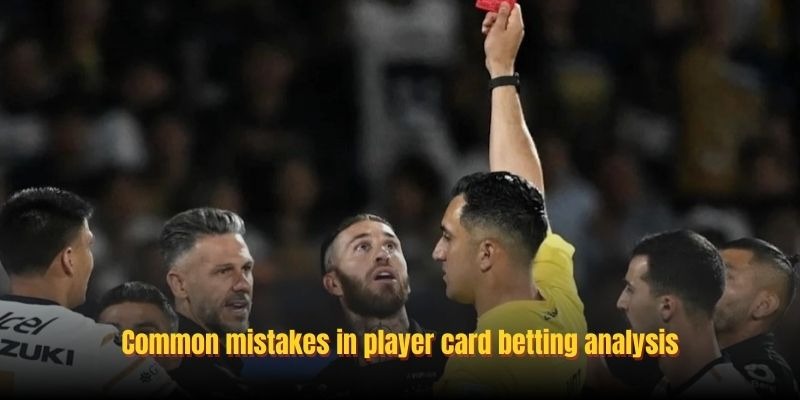
Player card betting focuses on predicting whether a specific player will receive a yellow or red card during the match. This market appeals to bettors who enjoy reading player behavior, tactical roles, and referee tendencies. With rising match intensity and tighter defensive duels, booking markets 7M have become more attractive.
Player card betting basics for new bettors
Player card betting focuses on predicting whether a specific footballer will receive a yellow or red card during a match. For newcomers, this market may seem simple, but understanding how actions, roles, and match tempo influence bookings is essential for accurate wagering.
Understanding yellow and red card outcomes
A yellow card indicates a cautionable offense, while a red card results in an immediate dismissal from the match. Bettors must understand that different actions-such as tactical fouls, dissent, or reckless challenges-carry different risks. Knowing these distinctions helps bettors evaluate which players are more prone to disciplinary actions.
How individual player behavior affects card chances
7mcn evaluate a player’s past fouls, aggression level, and match context to set odds. These values shift depending on opponent style and tactical pressure. The more volatile the matchup, the more dynamic the pricing becomes in player card betting markets.
Why match tempo influences booking frequency
High-intensity games often produce more fouls as players fight for possession in tight spaces. Faster tempo leads to more transitions, which increases the likelihood of tactical fouls to stop counter-attacks. Bettors should prioritize matches where urgency and pressure drive players into riskier situations.
The role of tactical formations in card probability
Certain formations position players in roles that require defensive coverage over large zones. These responsibilities can push players into scenarios where fouling becomes the only option to stop an attack. Recognizing these tactical demands helps bettors identify likely card candidates.

Player card betting basics for new bettors
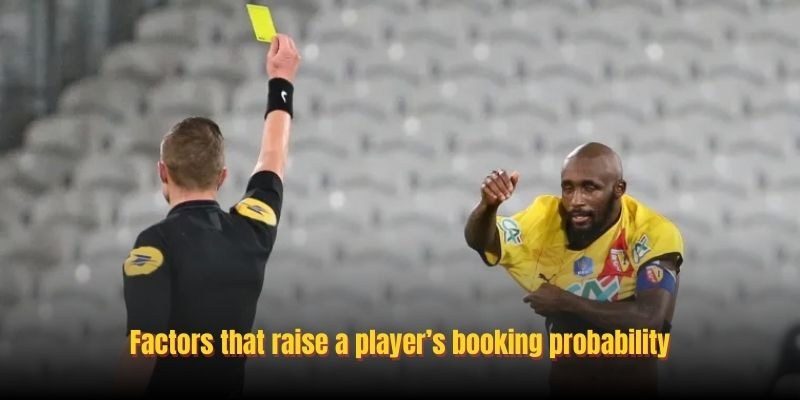
Factors that raise a player’s booking probability
Several in-match elements significantly influence how likely a player is to receive a card. Understanding these factors helps bettors evaluate risk more accurately before placing any player card betting option in 7M.
- Aggressive playing style: Players who habitually tackle hard or press aggressively are naturally more exposed to bookings. Their high-intensity approach often forces referees to intervene early.
- High-pressure match environments: Derbies, elimination matches, or heated rivalries increase emotional tension. In these settings, even normally calm players may commit risky fouls.
- Tactical fouls within the team strategy: Some roles, especially defensive midfielders, are instructed to break up dangerous attacks. These tactical fouls frequently result in predictable yellow cards.
- Referee strictness and historical patterns: Certain referees are known for issuing cards more readily. When such officials control the match, the overall booking probability rises sharply.
Factors that raise a player’s booking probability
Common mistakes in player card betting analysis
Many bettors misread booking patterns because they rely too heavily on surface-level statistics. Understanding the following mistakes will help avoid inaccurate predictions and improve overall decision-making.
Overvaluing recent matches instead of long-term trends
A common error occurs when bettors judge a player solely based on their last one or two games. Short bursts of aggressive behavior don’t always reflect the player’s typical discipline level. A proper evaluation should consider a broader sample of matches across different competitions.
Ignoring referee behavior and card distribution history
Many beginners focus only on the athletes and forget that referees significantly influence booking frequency. Some officials are notoriously strict, issuing early cards, while others prefer to keep the game flowing. Overlooking this factor leads to predictions built on incomplete information.
Misreading tactical systems that encourage strategic fouling
Player card outcomes often come from team tactics rather than individual temperament. Certain formations, especially those relying heavily on pressing or counter-pressing, require players to stop transitions with tactical fouls. Ignoring the tactical context creates distorted expectations about who is likely to receive bookings.
Overestimating physicality while overlooking mental fatigue
Some bettors evaluate only the aggressive nature of a player without considering psychological factors. Mental fatigue late in the season or during congested schedules makes players more prone to mistimed tackles. Emotional stress also increases the likelihood of dissent, which is a major source of unexpected bookings in player card betting.
Assuming star players are less likely to be booked
Many bettors mistakenly believe that famous players are protected or less prone to fouling. In reality, high-profile athletes often face intense pressure and must perform defensive duties just like everyone else. Some star forwards commit frustration fouls when heavily marked and can accumulate cards unexpectedly.
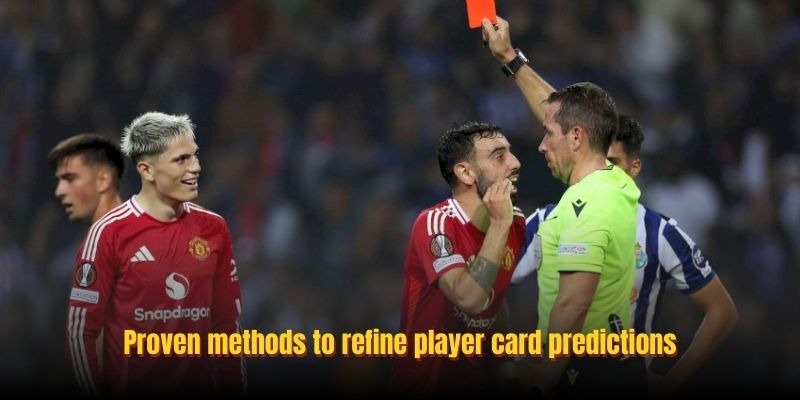
Proven methods to refine player card predictions
Accurately predicting player bookings requires more than just observing aggressive play; it demands structured analysis and attention to multiple variables. Applying proven methods can significantly enhance your success in player card betting and minimize unexpected outcomes.
Analyze historical booking trends
Review a player’s past disciplinary record across leagues and competitions. Consistent patterns often indicate whether a player is prone to early or late-match bookings. This historical insight forms the backbone of informed player card betting decisions.
Evaluate referee tendencies
Some referees issue cards more frequently or favor particular enforcement styles. Understanding a referee’s behavior helps you anticipate booking frequency in specific matches. Incorporating this data reduces guesswork when placing wagers.
Monitor player fatigue and recent workloads
Physically or mentally fatigued players are more prone to mistimed tackles or dissent. Reviewing recent fixtures, travel schedules, and cumulative minutes helps identify elevated booking risk. Fatigue-based analysis allows bettors to adjust their stakes more effectively in 7M.
Use positional and tactical insights
Defenders and defensive midfielders typically face higher card exposure due to duels and interceptions. Understanding each player’s role within the team’s tactical setup clarifies which individuals are most likely to be booked. This method helps refine precise predictions for targeted player card betting.
>> Read more: Tỷ lệ cược
Proven methods to refine player card predictions
Conclusion
For those exploring player card betting, insight and preparation are key to profitable wagering. Studying past behavior, tactical setups, and referee styles allows smarter decisions in 7M. Ultimately, disciplined analysis transforms an unpredictable market into a strategic and rewarding experience.