
How Greece’s Euro 2004 Miracle Really Looked on the Pitch
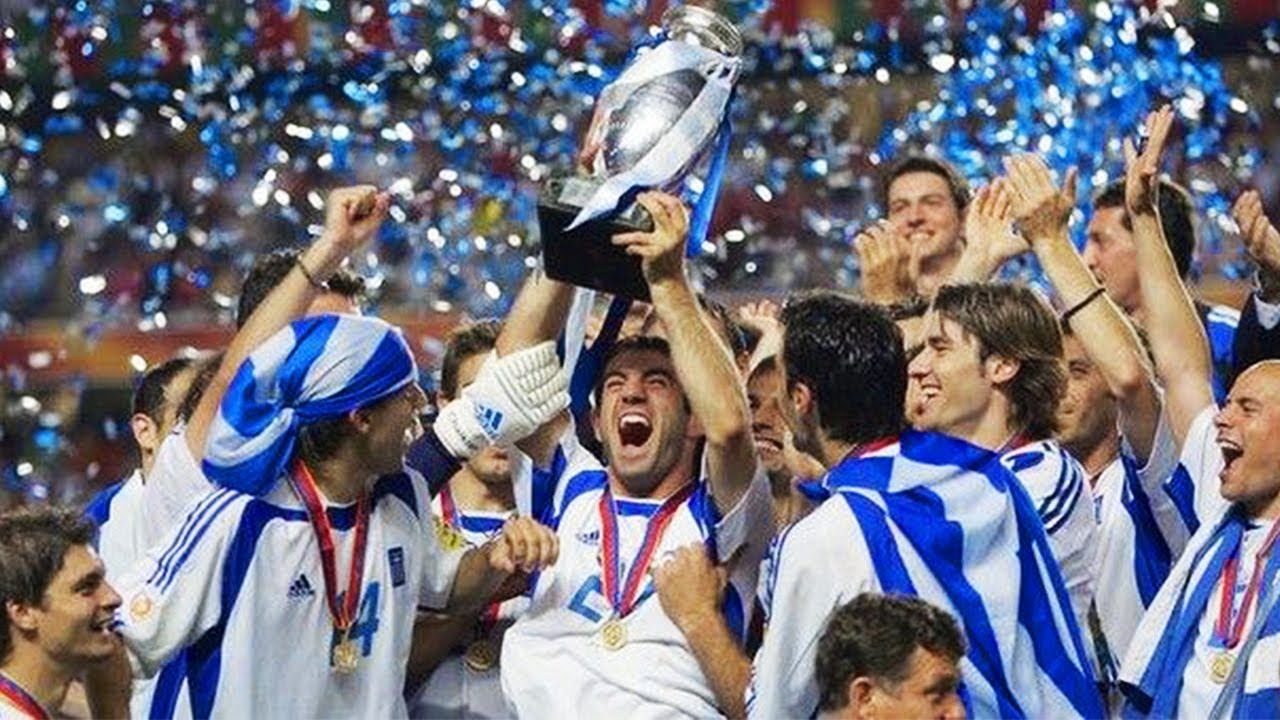
Greece’s Euro 2004 win is often described as a fairy tale, but when you watch their games closely the story is less about luck and more about structure, discipline and repeatable match patterns. Understanding how Otto Rehhagel’s team controlled space, limited shot quality and relied on rehearsed set-piece routines helps you spot similar upset templates whenever an underdog tries to frustrate a stronger side in a major tournament.
Why Greece’s Underdog Run Matters for Modern Viewers
Going into Euro 2004, Greece were regarded as outsiders with modest attacking numbers but one of the best defensive records in qualifying, which already hinted at a clear identity built on restraint and resilience. Across the tournament they scored few goals yet conceded very few, turning most matches into low-event contests where one moment from a set piece or a counter could decide everything. For live viewers today, that run is a reference point for how a team can intentionally shrink the game, slow the rhythm and tilt the odds of an upset without dominating possession or shot counts.
What Greece’s Defensive Block Looked Like in Real Time
Rehhagel’s Greece typically used a flat back four protected by a tight midfield screen, often resembling a 4-1-4-1 or 4-5-1 depending on the opponent and game plan. The key visual cue is the vertical compactness: the distance between the back line and midfield line stayed small, creating two dense banks that strangled the space where playmakers usually operate. When you watch their games, you will see opponents circulating the ball in front of Greece’s block, forced wide or into hopeful shots, while central passes into the pockets are either intercepted or immediately pressured.
How Their Pressing and Counterattacks Were Calibrated
Contrary to the idea of parking the bus, Greece did not simply sit on the edge of their box; they often defended in a mid-block, engaging just high enough to steer opponents into predictable areas. Their pressing aimed to guide the ดูบอลฟรี goaldaddy towards the wings or into overloaded central zones, where multiple Greek players could collapse on the receiver without leaving gaps between the lines. On regaining possession, they moved the ball forward quickly and directly, usually targeting a strong centre-forward like Angelos Charisteas who could hold the ball up or attack crosses, even if the overall attacking pattern remained simple.
Why Their Shape Changed From Opponent to Opponent
One of the most useful things to track while you watch the Euro 2004 knockout games is how Greece tweak the line ahead of their back four depending on who they face. Against France, Czech Republic and Portugal, their nominal formation shifts between something like 4-3-2-1, 4-3-3 and 4-5-1, yet the underlying principle of crowding central zones and protecting the box stays constant. Paying attention to which midfielder steps out to press and which full-back is allowed to push higher in each match helps you see that Rehhagel adjusted details without touching the core defensive identity.
Why Set Pieces Became Their Main Attacking Weapon
Over the tournament, Greece’s most dangerous attacking moments came from corners and wide free-kicks, especially in the knockout rounds where all three wins finished 1–0 with headed goals. Their delivery patterns were consistent: inswinging balls targeted towards physically dominant central defenders and Charisteas, who attacked specific zones around the penalty spot or back post. When you rewatch those games, tracking the positioning of the main aerial threats before each set piece reveals how rehearsed the choreography was, which is why the final’s winning header against Portugal looks so similar to earlier goals in the run.
How Live Viewing Changes Your Perception of “Luck”
From a statistical perspective, Greece’s matches often show their opponents with more shots, more possession and more corners, which initially makes the title look like a fluke. Yet extended viewing highlights how many of those shots are from poor locations, how few clear-cut chances Greece concede, and how rarely their defensive structure is genuinely broken. Over multiple games, the repeated pattern of conceding low-quality efforts while scoring from well-drilled set pieces suggests a strategy that compresses xG at both ends of the pitch, tilting tight games towards scenarios where a single moment can be enough.
When you follow this kind of team live, the key is to distinguish volume from danger: hosts like Portugal may generate a large number of attempts and crosses, but if most are contested headers or blocked strikes outside the box, the underdog’s plan is working. Similarly, when the underdog creates just a few situations but each comes from a rehearsed routine or a clean through ball into space, you are watching a side that has accepted scarcity but maximised the threat of each rare attacking moment. That perspective prevents you from dismissing every upset as pure chance and instead encourages you to look for structural reasons why the favourite is failing to convert superiority into truly dangerous actions.
What to Watch For in Greece’s Key Euro 2004 Matches
Across Greece’s games against Portugal (opening match and final), France and the Czech Republic, certain visual cues repeat if you know where to look. Before each match settles, it helps to identify where Greece position their deepest midfielder, how narrow the wingers tuck in without the ball, and how often the full-backs join attacks or hold their line, because these choices reveal how much risk Rehhagel is willing to accept against each opponent.
A simple way to structure your viewing is to track three elements in 15–20 minute blocks: the average height of Greece’s defensive block, the number of unchallenged shots conceded inside the box, and the locations of their own attacking entries. Over time, you will see that despite shifts in formation labels, the block tends to stay compact and fairly deep, dangerous shots against them are rare, and their own meaningful attacks cluster around set pieces or direct balls into wide channels followed by crosses. Recognising those patterns makes it easier to spot whenever a more recent underdog tries to copy the same blueprint in a major tournament.
A Tournament Snapshot Table to Frame Your Rewatch
Because Greece’s run spans group-stage tension and knockout precision, it helps to map the different match types and what they looked like from a tactical perspective. The table below gives a simplified tournament snapshot you can hold in mind while watching, focusing on how their approach stayed consistent while opponents and stakes changed.
| Match type | Opponent examples | Core Greek approach | What to focus on live |
| Containment vs stronger attack | France, Czech Republic | Deep, narrow block, limited pressing high | Quality of chances conceded, not shot count |
| Host management | Portugal (opener, final) | Mid/low block, quick vertical attacks, set plays | How often hosts are forced wide and crossing |
| Group-stage survival | Spain, Russia | Conservative risk, accept low event games | Greece’s ball losses and defensive recovery |
By using this table as a guide, you can quickly recognise which type of game you are watching and adjust your expectations accordingly. In containment matches, it is normal to see the opponent dominate the ball, so your focus should be on whether they are breaking lines or simply playing in front of Greece’s block; in host management games, you are looking for whether the crowd’s energy translates into clear entries through central channels or just more hopeful crosses. In group-stage survival contests, the key is how calmly Greece handle setbacks and whether their structure snaps back into shape after conceding or being put under early pressure.
Summary
Greece’s Euro 2004 triumph becomes far more understandable when you see it as a season-long expression of disciplined structures, controlled risk and highly focused attacking patterns rather than a run of isolated shocks. Their compact block, calibrated mid-press, and reliance on set-piece routines produced a series of low-event games in which superior opponents struggled to create clear chances, while Greece repeatedly found decisive moments through rehearsed headers and direct play. If you apply the same viewing habits to modern tournaments—tracking block height, shot quality and set-piece patterns—you will be better equipped to recognise when a new underdog is building something similar, instead of only noticing once the trophy is already lifted.