
How to Host a Home Football Watch Party Without Losing Tactical Focus
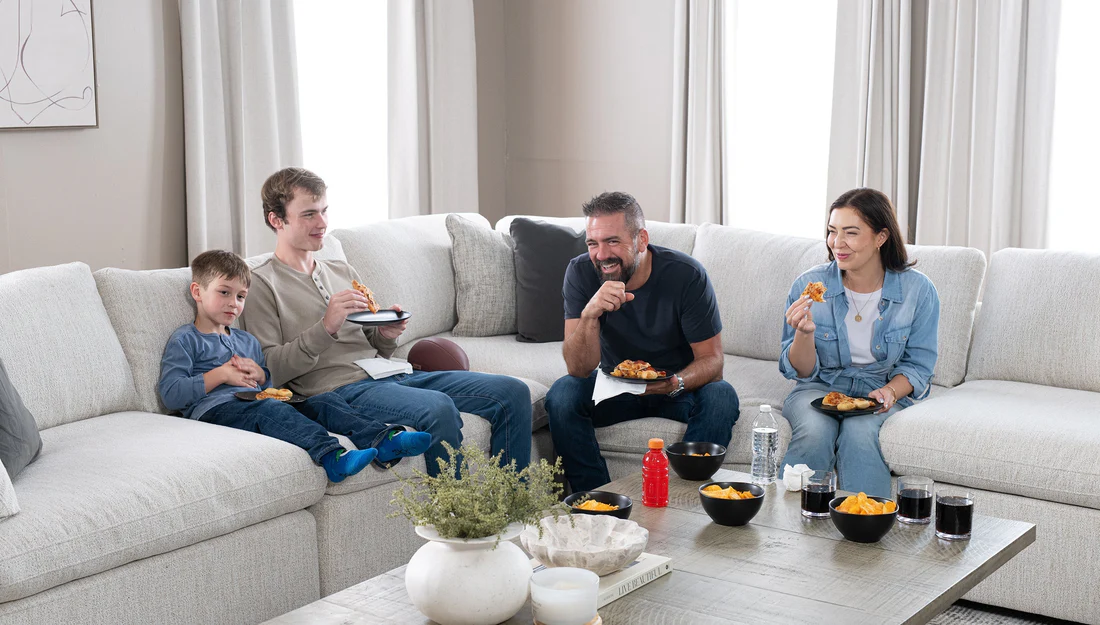
A home watch party can either amplify your understanding of a match or completely drown it in noise, depending on how you structure the experience. The way you arrange the screen, the seating, and the “rules of engagement” determines whether you can still read pressing traps, rest defence, and chance quality while sharing the moment with friends. If you treat the party as a lens that sharpens collective attention rather than a background social event, you can deepen your tactical insight and still enjoy the energy of watching together.
How the Viewing Environment Shapes What You See
The physical setup of your living room has a direct impact on which details you can realistically track over 90 minutes. When the main screen is too small, too high, or at a sharp angle for half the group, those viewers naturally drift into side conversations because they struggle to follow off-ball movement. Sound levels matter as well: if commentary and crowd noise are constantly fighting with music or chatter, you lose subtle audio cues such as tactical fouls, touch intensity, and the crowd’s reaction to pressure building in specific zones.
Over time, these small limitations accumulate into a skewed reading of the match, where people remember only obvious moments like goals and big saves. A thoughtfully arranged environment makes it easier to see how a team’s structure evolves from minute 5 to minute 75, how pressing height changes when they take the lead, and whether their attacking patterns remain coherent under fatigue. That base layer of clarity is what allows a watch party to remain about football rather than just social noise.
Choosing Screens and Angles That Preserve Team Shape
Screen size and placement are not only aesthetic decisions; they control how much information from the pitch each viewer can comfortably decode. If your main display is small or pushed into a corner, it becomes hard to track distances between lines, the starting positions of full-backs, or how often midfielders step into the half-spaces. A well-positioned screen, at eye level and facing the majority of the seats, gives everyone a fair opportunity to read the game beyond the ball.
When you optimise angles, you also reduce the temptation for people to watch through their phones, which introduces delay and divides attention. A single, centralised viewing point encourages everyone to react in real time to the same pressing trigger, the same overlapping run, and the same transition. This shared perspective is crucial when you later discuss whether the score reflects the balance of play or whether one side’s finishing distorted the impression left by the underlying performance.
Managing Sound So Analysis Beats Background Noise
Sound balance often decides whether a watch party supports serious viewing or collapses into pure distraction. If the television audio is drowned out by music, clinking glasses, or separate conversations, you lose the ambient information that hints at momentum shifts and tactical changes. The rise in crowd noise when a team pins the opposition back, the commentator noting a subtle formation tweak, or the referee’s whistle breaking up repeated tactical fouls all help you piece together the match narrative.
By keeping music off during play and limiting side conversations to quieter phases, you make it easier for everyone to stay connected to the match’s rhythm. This does not mean silence; it simply means that reactions are anchored to what happens on the pitch rather than random topics. The clearer the audio, the easier it becomes to sense when pressure is building, when a team is struggling to escape their own third, and when a spell of possession is sterile rather than genuinely threatening.
Using Live Viewing to Build xG Awareness Together
One of the best ways to keep a watch party grounded in the match itself is to frame group discussions around chance quality rather than just goals. As you watch, ask simple questions aloud: how many defenders were between the shooter and the goal, was the pass before the shot a cutback or a hopeful cross, and did the attacker strike from a central lane or a tight angle. These details mirror the variables that xG models use—distance, angle, assist type, and pressure—and help everyone learn to judge chances more accurately as they happen.
When you ดูบอลสด with friends and repeatedly notice, for example, that a team piles up shots from wide positions while the opponent creates fewer but cleaner central chances, the conversation naturally shifts toward performance rather than pure emotion. Over multiple matches, the group begins to anticipate that a side with consistently better chances will usually see results swing in their favour if the pattern continues. This shared, live understanding of finishing variance and shot selection adds depth to post-match debates and stops the party from reducing every game to “lucky” or “clinical” without context.
Setting Simple “Tactical House Rules” for the Group
Without any structure, a home watch party quickly becomes fragmented, with some people half-watching and others trying to follow every movement. Light, clear “house rules” can nudge the group toward more focused viewing without feeling restrictive. For example, you might agree that everyone pays close attention for the first 15 minutes to identify both teams’ base shapes, that replays of big chances are watched in silence, or that tactical discussions happen mostly at half-time rather than talking over every attack.
These guidelines shift the culture from casual background viewing to collective analysis, where people notice recurring patterns rather than isolated incidents. When everyone focuses on the same aspects—such as how often a full-back inverts into midfield or how a striker presses from the front—it becomes easier to connect match events to broader themes. That shared framework also makes it more natural to talk about why a team’s xG profile looks the way it does later on, because you have already been tracking the underlying chance types in real time.
Planning Break-Time Discussions Around Key Phases
Half-time and full-time are the natural moments where a social atmosphere and analytical thinking can blend. Instead of letting the discussion scatter randomly, you can guide it around three or four key phases you have all noticed: a spell of high pressing, a period where one team pinned the other back, or a sequence of transitions where the same weakness kept appearing. By anchoring your conversations in these stretches, everyone practices turning observations into coherent explanations.
Over time, this habit makes your group more adept at predicting what might change after the break or across the next few fixtures. People start saying things like “if they keep leaving the full-back isolated 1v2, their xG against will spike over the next month” or “if the striker keeps getting into those cutback zones, the goals will eventually follow even if he missed today”. This type of reasoning ties the immediate party experience to larger performance trends, keeping the focus firmly on ดูบอล changy rather than purely on the social side.
How Group Focus Can Evolve Across a Season
When the same friends repeatedly watch the same team together, patterns in both play and perception become easier to track. Early in the season, the group might struggle to interpret whether a low-scoring run reflects poor chance creation or simply bad finishing luck. By mid-season, if you have been paying attention to where shots come from and how often certain build-up patterns appear, you can collectively judge whether the team’s style truly supports sustained attacking output. If that shared eye test keeps matching the underlying xG trends you see reported later, confidence in your live interpretations grows; if it diverges, you are pushed to refine what you watch for in the next game.
Balancing Social Energy With Close Tactical Watching
A successful home watch party does not require everyone to act like analysts for the full 90 minutes, but it does benefit from clear moments of heightened focus. You can deliberately treat the first 10–15 minutes of each half, and any period immediately after a goal or red card, as tactical checkpoints. During these windows, you pay extra attention to whether pressing height changes, which players adjust their positioning, and how the team either protects or chases the result.
Outside those phases, the social side can breathe more, while still anchored to what unfolds on the pitch. This rhythm helps prevent fatigue from constant concentration, yet ensures you do not miss the structural shifts that usually decide matches. Over a full season of watch parties, this alternating focus trains everyone to recognise when the game is likely to pivot and when it is safe to relax a little without losing the thread of the performance.
Summary
Hosting a home football watch party that keeps the match at the centre depends on how intentionally you set up the experience. Screen placement, sound balance, and simple group “rules” all influence whether you can still follow structure, pressing patterns, and chance quality instead of getting lost in background noise. By framing conversations around live xG-style thinking and key phases of play, you turn social viewing into a shared analytical exercise rather than a distraction from the game. Over time, this approach means every gathering is not just a fun event but also another step in collectively understanding how teams really perform across a season.