
Bundesliga Saturday Fixtures Worth Investing In
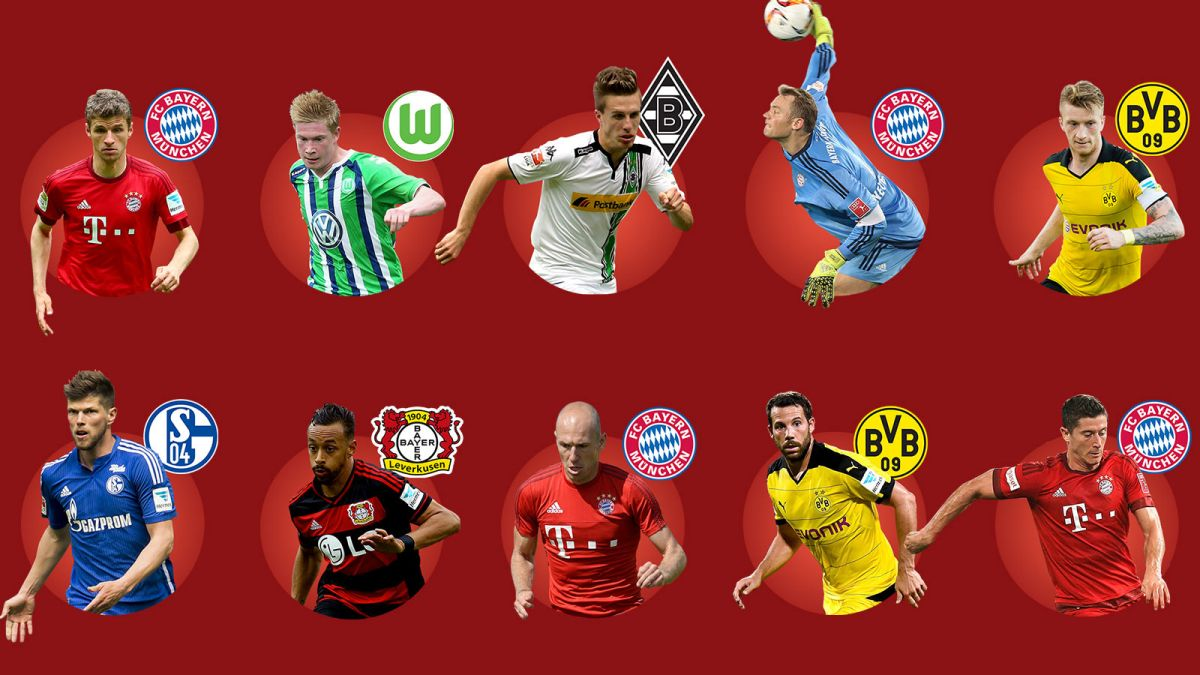
Saturday fixtures define the rhythm of the Bundesliga. With most matches concentrated into a single time window, these games reflect league-wide patterns more clearly than isolated weekday fixtures. Identifying which Saturday matchups are worth investing in is not about naming specific teams, but about recognizing structural signals that repeatedly appear when conditions align in favor of predictable outcomes.
Why Saturday matches behave differently from other fixtures
Bundesliga Saturdays concentrate preparation cycles, fan intensity, and tactical familiarity. Teams typically enter these matches with full training weeks, reducing randomness linked to rotation or fatigue. As a result, performance levels tend to reflect true team strength rather than situational variance.
This stability makes Saturday fixtures more suitable for structured evaluation. Tactical identities are clearer, and deviations are easier to spot, creating a more reliable analytical environment.
Scheduling structure and its effect on performance
The Bundesliga’s Saturday schedule often groups teams with similar recovery windows. This alignment minimizes hidden physical advantages and shifts emphasis toward tactical execution and squad depth.
Key scheduling factors that strengthen match predictability include:
- Both teams playing their previous match on the same day
- No midweek European or domestic cup involvement
- Stable kickoff times without travel disruption
- Consistent lineup usage over recent weeks
When these conditions are present, match behavior tends to follow established patterns rather than surprise swings.
Matchups shaped by contrasting objectives
Saturday fixtures frequently pair teams with clearly different season objectives. Title chasers, European contenders, mid-table stabilizers, and relegation battlers often collide in these slots, creating asymmetrical motivation.
These contrasts matter because teams with clear objectives usually impose their preferred match tempo. Opponents without urgent incentives are more likely to react rather than dictate, increasing outcome clarity.
Tactical compatibility as an investment signal
Some Bundesliga matchups are predictable not because one team is stronger, but because styles interact in repeatable ways. High-press teams facing build-up-reliant opponents often generate similar match flows regardless of venue.
Before identifying value, it helps to assess compatibility:
- Does one side rely heavily on wide progression?
- Is the opposing full-back structure vulnerable or compact?
- Are both teams comfortable without possession?
When answers align asymmetrically, match direction becomes easier to anticipate.
Proactive control versus reactive resistance
Before selecting a Saturday fixture, it is important to identify whether the match is likely to be driven by proactive control or reactive resistance. Proactive matches feature sustained pressure from one side, while reactive matches revolve around containment and counters. Bundesliga Saturdays with clear proactive tendencies usually offer more stable investment logic than evenly reactive encounters.
Market timing and information availability
Saturday matches benefit from maximum information clarity. Team news, tactical hints from press conferences, and training-ground reports are usually complete by Friday. This reduces uncertainty compared to early-week fixtures.
In practical workflows, some bettors observe how odds evolve across multiple Saturday games using interfaces like UFABET to compare opening lines, minor adjustments, and late movement within the same league context. Watching whether several matches shift in the same direction often reveals league-wide sentiment rather than isolated news. This comparative observation helps separate genuine signals from noise, especially when deciding which Saturday fixtures deserve focused attention instead of spreading exposure thinly.
Patterns that repeatedly appear in strong Saturday fixtures
Certain match characteristics recur in fixtures that justify deeper investment consideration. These patterns are observable over time rather than tied to individual teams.
| Match Characteristic | Typical Outcome Behavior | Reason for Stability |
| Clear possession imbalance | One-sided territorial control | Tactical clarity |
| Strong home support | Early pressure phases | Crowd-driven momentum |
| Objective asymmetry | Consistent tempo dominance | Motivation gap |
| Tactical mismatch | Repeated chance creation | Structural weakness |
This table illustrates why some Saturday fixtures feel predictable long before kickoff. Structural imbalance tends to persist once established.
Situations that weaken Saturday fixture reliability
Not all Saturday matches are equal. Some conditions reduce predictability despite favorable scheduling. Late squad changes, sudden managerial adjustments, or extreme weather can distort expected patterns.
Additionally, matches between teams with identical objectives and mirrored styles often cancel each other out. These fixtures may look attractive on paper but produce erratic outcomes due to mutual neutralization.
Building a focused selection approach
Rather than treating every Saturday match as an opportunity, disciplined selection improves long-term consistency. A focused approach limits attention to fixtures where multiple reinforcing factors align.
A practical sequence often follows:
- Eliminate matches with unclear motivation or rotation risk
- Identify clear tactical or objective asymmetry
- Confirm stable scheduling and information availability
This narrowing process ensures that attention is directed toward fixtures where logic is most likely to hold.
Summary
Bundesliga Saturday fixtures worth investing in are defined by structural clarity rather than headline appeal. Balanced scheduling, clear objectives, compatible tactics, and complete information all contribute to predictability. When these elements align, Saturday matches reflect true team behavior more accurately than any other point in the Bundesliga calendar. If these conditions weaken, investment logic fades with them, making selectivity more important than volume.